
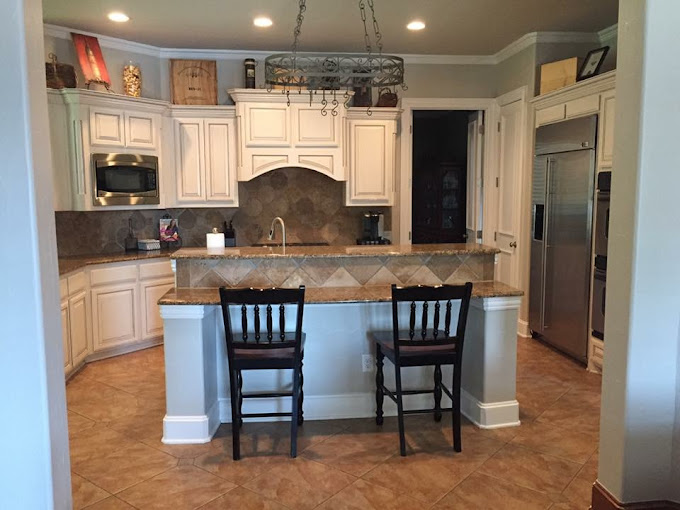
How do you turn your dream remodel into reality without watching your bank account spin out of control halfway through the project? That’s the challenge most homeowners face when they start planning a kitchen overhaul, bathroom upgrade, or whole-home transformation. It’s not that the vision is unrealistic; it’s often that there isn’t a clear, strategic plan for how every dollar will be spent, protected, and prioritized.
Strategizing your home remodeling budget effectively is less about cutting fun ideas and more about understanding the true costs, trade-offs, and timing of your project. When you work with an experienced contractor like Nielsen’s Remodeling & Construction Co. in Plano, Texas, you’re not just paying for labor and materials—you’re paying for guidance that helps you stretch your budget intelligently. Whether you’re renovating a Plano ranch home, updating a suburban two-story, or modernizing a townhouse, the right budget strategy can be the difference between a smooth, predictable remodel and a stressful, expensive guessing game.
Instead of thinking of your budget as a hard limit that squeezes your creativity, think of it as a roadmap that tells your contractor exactly where to invest, where to scale back, and where to plan for the unexpected. With a clear structure, transparent communication, and a realistic understanding of costs in the Plano market, you can protect your finances while still achieving a beautiful, functional space that adds real value to your home.
Clarify Your Why And Your Must-Haves
Every effective remodeling budget starts with one deceptively simple question: Why are you remodeling? The answer shapes every financial decision that follows. If you’re planning to sell your Plano home in a few years, you may focus on high-ROI updates that appeal to broad buyer tastes. If this is your forever home, you might justify spending more on custom cabinetry, upgraded windows, or specialized storage that makes daily life easier and more enjoyable.
Once your “why” is clear, the next step is to define your non-negotiables. These are the features or outcomes you absolutely want in the finished project. For a kitchen, this might be a large island with seating, a gas range, and durable countertops. For a bathroom, it might be a walk-in shower with frameless glass and better lighting. Writing these must-haves down helps you and your contractor, such as Nielsen’s Remodeling & Construction Co., understand where the budget needs to be protected even if other compromises are required.
After you identify must-haves, create a “nice-to-have” list. These are items you’d love to include if the budget allows: heated flooring, higher-end fixtures, built-in speakers, or upgraded trim details. When you separate must-haves from nice-to-haves early, your contractor can develop a base estimate that covers the essentials and then provide pricing for add-ons. This phased approach can make your budget feel more flexible and less overwhelming while still keeping your financial boundaries clear.
Understand True Costs In The Plano Market
Many homeowners start with a number they’ve seen on a TV show or a national article, only to discover that local costs in Plano, Texas, don’t match those figures. Labor rates, permit fees, material availability, and regional building standards all play a role in the final price. That’s why an early, honest conversation with a local company like Nielsen’s Remodeling & Construction Co. is so valuable—they know what quality work actually costs in your area and can help you ground your expectations.
Remodel costs typically break down into several major categories: labor, materials, fixtures and finishes, design and planning, permitting, and contingencies. Labor is often the largest slice, especially for complex projects like structural changes, plumbing relocations, or custom carpentry. Materials can vary significantly depending on whether you choose stock, semi-custom, or fully custom products. Understanding these categories helps you see where you have flexibility and where costs are relatively fixed.
It’s also important to factor in “hidden” or less obvious costs. These might include temporary housing if a major remodel makes part of your home unusable, storage for furniture, or eating out more often during a kitchen renovation. Older homes in Plano sometimes reveal surprises behind the walls, such as outdated wiring or plumbing that no longer meets current code requirements. Building a budget that acknowledges these potential extras from the start will protect you from sticker shock later.
Build A Layered Budget, Not A Single Number
Instead of thinking, “We have $80,000 to remodel the kitchen,” consider creating a layered budget that includes a target, a maximum, and a contingency buffer. Your target budget is the amount you’d ideally like to spend. Your maximum is the absolute top number you’re comfortable reaching. The contingency is a percentage—often 10–20%—set aside for unexpected issues or necessary upgrades discovered during demolition.
For example, you might set a target budget of $70,000 for your kitchen, a maximum of $80,000, and a 15% contingency built into that range. As Nielsen’s Remodeling & Construction Co. develops the scope and estimate, you’ll be able to see how your selections and design choices fit within these layers. If early pricing comes in close to your maximum, you’ll know there’s little room for surprises and may choose to adjust materials or reduce the scope before work begins.
Layered budgeting also allows for smarter decision-making during the remodel. If a surprise cost arises—like replacing a rotted subfloor or bringing outdated electrical up to code—you can draw from the contingency rather than panicking or cutting essential design elements. Conversely, if the project proceeds smoothly and the contingency isn’t fully used, you may decide to reinvest some of that money into one of your “nice-to-have” upgrades near the end of the project.
Prioritize Scope And Phasing
One of the most effective ways to keep your budget under control is to right-size the scope of work. Many homeowners initially dream of doing everything at once: kitchen, bathrooms, flooring, and maybe even an outdoor living area. While a whole-home transformation is certainly possible, it may not align with your financial comfort zone. A thoughtful contractor in Plano can help you decide what should happen now and what could be planned as a second phase.
Start by identifying spaces that will deliver the greatest daily impact or the highest return on investment. Kitchens and primary bathrooms are common first-phase priorities because they dramatically affect how you live in the home and how buyers perceive it. Secondary bathrooms, guest rooms, and cosmetic upgrades such as new interior doors or trim may be ideal for a future phase once the initial project is complete and you’ve had time to recover financially.
Phasing doesn’t mean you’re settling for less. When done well, it means creating a cohesive long-term plan from the beginning. Nielsen’s Remodeling & Construction Co. can design with your full vision in mind—even if only part is built now. That way, later phases integrate seamlessly in style, structure, and functionality. For example, electrical or plumbing can be roughed-in for future features, or structural changes can be made now to support a later addition. This strategic planning saves you from having to undo or redo work later, which is one of the most expensive mistakes homeowners make.
Make Smart Material And Finish Choices
Materials and finishes are where your remodel really comes to life—and where budgets can quickly spiral. The key is to spend where it truly matters and save where alternatives deliver similar performance or aesthetics at a lower cost. For instance, investing in high-quality cabinetry and durable flooring in a busy Plano household might be wiser than splurging on ultra-luxury backsplash tile that covers a small area.
Think of materials in tiers: foundational, functional, and decorative. Foundational items include subflooring, framing, and insulation. Functional items include cabinets, countertops, plumbing fixtures, and appliances. Decorative items include lighting styles, hardware, and wall finishes. Foundational elements must be solid; cutting corners here can cause long-term problems. Functional elements should be durable and reliable, but there’s often room to choose mid-range options that perform beautifully without the premium price tag. Decorative elements are usually the most flexible and can be upgraded later if desired.
Working with a contractor familiar with Plano suppliers can open doors to better pricing, professional-grade products, and realistic lead times. For example, you might discover that a quartz countertop option gives you the look you want with less maintenance than natural stone, or that a semi-custom cabinet line offers enough flexibility without the cost of fully custom work. If your home leans toward a Traditional home design, you can still achieve a timeless look using cost-effective moldings, classic tile patterns, and neutral palettes, reserving splurges for focal points like a statement light fixture or a custom vent hood.
Control Changes And Communicate Constantly
Even the best-planned remodels evolve as work progresses. You might see a wall opened up and decide you’d like to add more lighting, or you may fall in love with a different tile mid-project. While some changes are unavoidable or genuinely beneficial, change orders are one of the fastest ways to blow a budget if not managed carefully.
Before work begins, agree with your contractor on a clear process for handling changes. This should include written documentation, updated pricing, and your explicit approval before any change is implemented. With a company like Nielsen’s Remodeling & Construction Co., you can expect transparent communication about how each change affects cost and schedule. This allows you to make informed decisions instead of emotional, in-the-moment choices that you might regret later.
It also helps to set a personal rule: once materials are ordered and work has started, changes should be limited to issues of function, safety, or code compliance. Cosmetic changes can quickly add up, not just in material costs but also in labor, restocking fees, and delays. Frequent check-ins with your project manager, walkthroughs at key milestones, and prompt responses to questions will keep the project moving smoothly and the budget aligned with your original strategy.
Frequently Asked Questions
How much should I set aside as a contingency for my remodel? Most homeowners in Plano are well-served by setting aside 10–20% of the total project cost as a contingency. For older homes or projects involving significant structural, electrical, or plumbing work, leaning closer to 20% is wise. This buffer is not “extra spending money”; it’s protection against unforeseen conditions discovered during demolition or code-related upgrades. If you don’t end up needing it, you can either keep the funds or selectively apply them to a few wish-list upgrades at the end of the project.
Is it cheaper to remodel everything at once or in phases? From a pure efficiency standpoint, tackling multiple spaces at once can reduce certain costs, such as repeated mobilization, permits, and some labor inefficiencies. However, remodeling everything at once also requires a larger upfront budget and may create more disruption to your daily life. Phasing your project allows you to spread costs over time and recover financially between stages. A contractor like Nielsen’s Remodeling & Construction Co. can help you design a master plan that keeps both options open and ensures future phases integrate seamlessly.
How do I avoid going over budget during my remodel? The most effective way to avoid budget creep is to invest time in detailed planning before any demolition begins. This includes finalizing design decisions, selecting materials, and understanding allowances in your contract. Once construction starts, limit changes to those that are absolutely necessary. Maintain regular communication with your contractor, review progress and costs at agreed intervals, and insist on written change orders for any adjustments. A clear, transparent contract and a realistic initial estimate are your best safeguards against overspending.
What are some high-ROI areas to focus on in my home? In the Plano market, updated kitchens and primary bathrooms consistently deliver strong returns, both in daily enjoyment and resale value. Improvements that enhance functionality—such as better storage, improved lighting, and efficient layouts—tend to offer better ROI than purely aesthetic changes. Energy-efficient windows, improved insulation, and quality flooring can also add value, especially in homes that are a bit older. A knowledgeable local contractor can help you identify which upgrades make the most sense for your specific neighborhood and price range.
When should I involve a contractor in the budgeting process? It’s best to involve a contractor as early as possible, ideally when you’re still clarifying your goals and rough budget range. Early collaboration with a company like Nielsen’s Remodeling & Construction Co. lets you test ideas against real-world costs, avoid designing something that’s far beyond your comfort level, and refine your scope to fit your financial boundaries. Waiting until you’ve already designed every detail without professional input can lead to disappointment if the final estimate doesn’t match your expectations.