
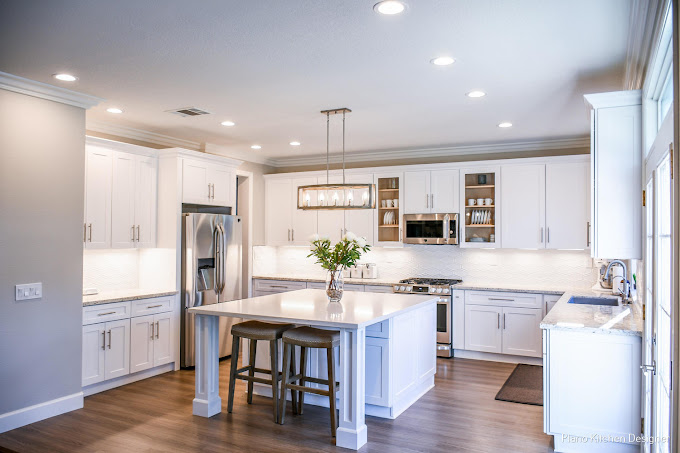
When you walk into a home for the first time, what makes you pause and think, “Wow, this feels amazing”? It’s rarely one single feature. Instead, it’s a combination of light, color, texture, layout, and details working together to create visual appeal. In home design and remodeling, visual appeal is not just about making a house look pretty for photos; it is about shaping how you feel when you move through each room and how well your home reflects your personality and lifestyle.
Visual appeal is the invisible thread that ties architecture, finishes, and furnishings into a cohesive story. A well-designed home in Plano, Texas, doesn’t just have attractive cabinets or a new floor; it has a flow that draws your eye from one space to the next, a palette that feels balanced in Texas sunlight, and details that quietly communicate quality. Nielsen’s Remodeling & Construction Co. understands that visual appeal is both art and strategy—every decision, from a cabinet door profile to the placement of a window, influences how your home is perceived and enjoyed.
As you think about remodeling—whether it’s a kitchen refresh, a full home update, or a new addition—focusing on visual appeal helps you make better choices. It becomes the lens through which you evaluate layout options, materials, and color schemes. Instead of asking only, “Will this fit?” or “Is this durable?” you also begin asking, “How will this look and feel together?” That shift in thinking is where good projects turn into stunning ones.
Understanding Visual Appeal
Visual appeal in home design is the overall impression your space makes at a glance and over time. It includes obvious elements like colors, finishes, and fixtures, but it also includes subtler aspects such as proportion, symmetry, and the way light interacts with surfaces. A visually appealing room feels intentional rather than random, even if the style is relaxed or eclectic. There is a sense of order and rhythm that makes the space feel comfortable to be in.
In Plano, homes often feature open-concept layouts and generous natural light, which can amplify both good and bad design choices. A cohesive color palette can make an open floor plan feel unified, while clashing finishes or poorly scaled furniture can make it feel chaotic. Nielsen’s Remodeling & Construction Co. pays attention to how each visual decision affects the entire home, not just the room under construction, ensuring that new work blends seamlessly with existing architecture.
Another key aspect of visual appeal is consistency in quality. You can have a beautiful layout and elegant colors, but if cabinet doors are misaligned, trim is poorly installed, or lighting is harsh, the space will never feel truly refined. Visual appeal, therefore, is as much about craftsmanship as it is about design. When remodeling, aligning design vision with skilled execution is what transforms ideas into a home you are proud to show and happy to live in.
Color, Light, And Mood
Color and light are the two most powerful tools for creating visual appeal, because they set the emotional tone of a space. The same room painted in a soft warm white can feel bright and inviting, while a deeper, moodier hue can make it feel intimate and dramatic. In Plano, where sunlight can be intense and plentiful, the way colors read at different times of day is crucial. A shade that looks perfect in a sample book might feel too stark or too warm once it’s on all four walls.
Nielsen’s Remodeling & Construction Co. often encourages homeowners to consider how natural and artificial light will interact with their chosen finishes. North-facing rooms may benefit from warmer tones to avoid feeling cold, while south-facing spaces with abundant light might be better balanced with cooler or neutral shades. Reflective surfaces, such as glossy tiles or polished countertops, bounce light around and create an airy feel, whereas matte finishes absorb light and can make a room feel cozier and more grounded.
Lighting design itself is another critical piece of visual appeal. A beautiful kitchen or bathroom can be undermined by poor lighting choices—fixtures that are too dim, too harsh, or placed in the wrong locations. Effective lighting design layers ambient, task, and accent lighting to highlight architectural features and ensure functionality. For example, under-cabinet lighting can showcase a stunning backsplash while improving food prep visibility, and a statement chandelier can become a focal point that anchors the dining area visually.
Layout, Flow, And Sightlines
Visual appeal is not just what you see when you stand still; it is also what you see as you move through your home. Layout and flow determine your sightlines—the views you have from one room into another. A thoughtfully designed remodel in Plano will consider how the eye travels from the entryway to the living room, from the kitchen to the backyard, and from public areas to private retreats. Aligning architectural elements, such as doorways and windows, can create pleasing visual corridors that make a home feel more expansive and harmonious.
When Nielsen’s Remodeling & Construction Co. evaluates a space, they look for opportunities to improve both functional flow and visual continuity. Removing a poorly placed wall, widening an opening, or re-centering a doorway can dramatically change how a space feels. For example, opening a kitchen to a family room can create a long, inviting view that makes entertaining easier and more enjoyable. At the same time, care is taken to define each area so the home doesn’t feel like one big undifferentiated space.
Furniture placement and built-in elements also contribute to visual flow. Oversized furniture can block sightlines and make even a large room feel cramped, while appropriately scaled pieces guide movement and keep the eye moving naturally. Built-ins, like media centers, bookshelves, or window seats, can frame views and create natural focal points. In Plano’s family-oriented homes, these design decisions help balance open, social areas with cozy, defined zones that still connect visually.
Materials, Texture, And Detail
The materials you choose—flooring, countertops, cabinetry, hardware, and trim—are the building blocks of visual appeal. While color sets the tone, materials and textures add depth and richness. A room finished entirely in smooth, similar surfaces can feel flat, even if the colors are attractive. Introducing contrast through wood grain, stone, metal, and fabric can create visual interest and a sense of layered sophistication.
In the Plano area, many homeowners gravitate toward durable, low-maintenance materials that can handle busy lifestyles. Nielsen’s Remodeling & Construction Co. helps clients select finishes that not only perform well but also enhance the overall aesthetic. For instance, pairing a smooth quartz countertop with a subtly textured backsplash tile can create a pleasing contrast. Combining painted cabinetry with stained wood elements can add warmth and dimension without overwhelming the space.
Attention to detail is where visual appeal truly comes to life. The profile of a cabinet door, the style of a faucet, the width of baseboards, and the pattern of tile installation all contribute to the final impression. Even small choices, like aligning grout lines or choosing the right sheen level for paint, can make the difference between a space that looks “almost right” and one that looks polished and intentional. In remodeling projects across Plano, these details are carefully considered so that every element supports the overall design vision.
Style, Personality, And Cohesion
Visual appeal should never feel generic; it should reflect who you are and how you live. The goal is not to copy a showroom or a social media trend, but to create a home that feels authentic to you while still being cohesive and timeless. This is where style direction comes in—whether you lean modern, traditional, transitional, farmhouse, or something eclectic, having a clear design language helps guide decisions and keep the project visually consistent.
In many Plano homes, the most successful remodels blend classic elements with updated touches. Nielsen’s Remodeling & Construction Co. often helps clients identify which existing features are worth preserving—such as a beautiful staircase, original wood beams, or distinctive brickwork—and then designs around them. This approach maintains the character of the home while refreshing its appearance. New cabinetry profiles, updated lighting, and contemporary hardware can be layered in without clashing with the home’s architectural roots.
Personalization can come from color accents, artwork, textiles, and carefully chosen statement pieces. A bold tile pattern in a powder bath, a custom vent hood in the kitchen, or a built-in reading nook can become memorable visual moments that express your personality. The key is to integrate these features in a way that still feels cohesive. Repeating certain colors, metals, or shapes throughout the home helps tie everything together so that each room feels unique but related, rather than a series of unrelated design experiments.
Visual Appeal And Resale Value
While your home should first and foremost work for you, visual appeal also has a direct impact on resale value. Buyers in Plano notice when a home feels well-designed, even if they can’t articulate exactly why. They respond to light, openness, quality finishes, and cohesive design choices. A visually appealing remodel can make your home stand out in a competitive market and can often justify a higher asking price compared to similar properties with dated or disjointed interiors.
Strategic investments in key areas have an outsized influence on perceived value. Kitchens and bathrooms, for example, are spaces where visual appeal and function intersect powerfully. A thoughtfully designed kitchen with coordinated cabinetry, countertops, backsplash, and lighting can transform how buyers perceive the entire home. If you are considering remodeling, exploring options such as Kitchen Remodeling with a professional team can help you maximize both beauty and return on investment.
Nielsen’s Remodeling & Construction Co. understands the Plano market and can advise on which visual upgrades are most likely to resonate with future buyers while still serving your current needs. That might mean selecting a more neutral base palette with flexibility for personalization through decor, or choosing timeless materials over ultra-trendy finishes that may date quickly. The objective is to create a home that feels fresh and inviting today and remains appealing years from now.
Working With A Professional Team
Achieving high visual appeal in a remodel is challenging to do alone, especially when juggling layout decisions, color selection, material coordination, and budget constraints. A professional remodeling company brings not only construction expertise but also design insight. In Plano, partnering with a team like Nielsen’s Remodeling & Construction Co. means you have guidance on how each choice will impact the final look and feel of your home, not just how it will function.
Professionals can help you visualize options through drawings, material samples, and layout concepts, reducing the risk of costly mistakes. For example, they can show you how a particular tile pattern will look across an entire shower wall, or how a different cabinet configuration might improve both storage and sightlines. They can also coordinate finishes so that metals, woods, and colors complement rather than compete with each other, ensuring that the project feels cohesive from day one.
Most importantly, a skilled remodeling team manages the details that affect visual quality during construction. Proper installation, careful finishing, and attention to alignment and proportions all contribute to the polished result you see at the end. In a market like Plano, where homeowners value both aesthetics and craftsmanship, this level of care is essential. With the right partner, your vision of a more beautiful, visually appealing home becomes a reality that you can enjoy daily.
Frequently Asked Questions
How do I start improving the visual appeal of my home? Begin by walking through your home as if you were a guest, paying attention to first impressions, views from room to room, and areas that feel cluttered or dated. Make notes about what you like and what feels off. Then, prioritize key spaces such as the entry, kitchen, and main living areas, since changes there have the biggest visual impact. Consulting with a professional remodeler in Plano can help you turn those observations into a clear, phased plan that fits your budget.
What colors work best for homes in Plano, Texas? Homes in Plano benefit from colors that respond well to bright natural light and warm temperatures. Soft whites, warm grays, and light greiges are popular because they feel airy without being stark. These neutrals create a flexible backdrop for bolder accents in art, textiles, or furniture. If you prefer more color, muted blues, greens, and clay tones can add personality while still feeling sophisticated. Testing paint samples on multiple walls and viewing them at different times of day is essential before making a final decision.
How important is lighting to visual appeal? Lighting is critical; it can enhance or undermine every other design decision. Even the most beautiful finishes can look dull or unflattering under poor lighting. A well-designed lighting plan layers ambient lighting (such as recessed lights), task lighting (like under-cabinet fixtures), and accent lighting (such as sconces or pendants) to create depth and flexibility. In remodeling projects, upgrading outdated fixtures and adding dimmers can dramatically improve both the look and usability of your spaces.
Can I mix different design styles and still have a visually appealing home? Yes, you can mix styles successfully if you do so thoughtfully and maintain cohesion. The key is to establish a dominant style—such as transitional or modern farmhouse—and then incorporate elements from other styles as accents rather than in equal measure. Repeating certain colors, finishes, or shapes throughout the home helps tie mixed styles together. A professional designer or remodeler can help you balance these elements so the result feels curated and intentional, not random.
Does visual appeal always require a full remodel? Not necessarily. While full remodels offer the greatest opportunity to transform a home, smaller targeted updates can significantly improve visual appeal. Painting walls and cabinetry, updating light fixtures, replacing dated hardware, and refreshing flooring or backsplashes can all make a noticeable difference. However, when layout issues or major functional problems exist, a more comprehensive remodel guided by experts like Nielsen’s Remodeling & Construction Co. can address both the visual and practical aspects for a lasting, cohesive result.