
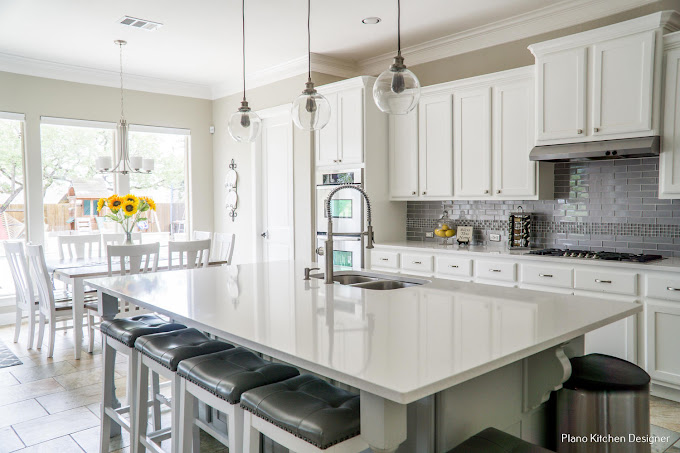
What if the next time you walked through your front door, your home actually felt like the life you’re living now—not the life you had ten or fifteen years ago? Inspiration for a home design project often begins with a quiet realization: the way you cook, relax, work, and entertain has changed, but your spaces haven’t kept up. Maybe your kitchen feels cramped when the whole family gathers, or your living room doesn’t quite match your style anymore. That tension between how you live and how your home looks is exactly where the best design ideas are born.
For many Plano, Texas homeowners, the challenge isn’t a lack of ideas; it’s figuring out which ideas are worth turning into a real project. You might have a Pinterest board full of images, screenshots of Instagram posts, or a stack of torn-out magazine pages—but no clear direction. Inspiration can feel exciting one moment and overwhelming the next. The key is learning how to translate all those images and wishes into a plan that fits your home, your budget, and your day-to-day life.
That’s where a thoughtful approach to inspiration makes all the difference. Instead of chasing trends, you can start with your lifestyle, your Plano neighborhood, and the unique character of your house. With the right guidance from a team like Nielsen’s Remodeling & Construction Co., inspiration stops being abstract and starts becoming a practical roadmap. Let’s explore how to spark, shape, and refine ideas so your next home design project doesn’t just look good—it feels right.
Start With How You Live
Before you dive into colors and finishes, pause and look at your daily routine. The most successful home design projects begin with function. Ask yourself where frustration shows up in your home: Is it that narrow kitchen aisle where everyone bumps into each other? The dark hallway that feels uninviting? The unused formal dining room that has become a storage zone? These pain points are clues, pointing directly toward the spaces that need a new design approach.
In Plano, many homes were built with layouts that worked beautifully twenty years ago but feel less suited to today’s lifestyles. Open-concept living, dedicated home offices, and multi-use family spaces are now the norm. Walk through your home and imagine a typical weekday and weekend. Where do you drop bags and keys? Where do kids do homework? Where do guests naturally gravitate during gatherings? Writing these observations down can be more inspiring than any photo because they’re specific to your life.
Next, think about what’s missing. Maybe you love to cook but your kitchen doesn’t have enough prep space, or you enjoy hosting game nights but your living room has awkward furniture placement. Inspiration doesn’t always come from something beautiful you’ve seen elsewhere—it often grows out of a problem you’re determined to solve. When Nielsen’s Remodeling & Construction Co. works with Plano homeowners, this is usually the first conversation: not “What style do you like?” but “How do you want your home to work for you?”
Once you’ve identified what needs to change, you can start pairing function with aesthetics. For example, if you need more kitchen storage, you might be inspired by floor-to-ceiling cabinetry with glass fronts. If your living room feels dark, you might lean toward lighter flooring and larger windows. By starting with how you live, every design decision has a purpose, and your inspiration becomes grounded in reality instead of guesswork.
Look To Your Home’s Bones
Every home in Plano has a “personality” shaped by its structure, age, and neighborhood. A mid-1990s brick traditional in West Plano, a more contemporary build near Legacy, or a ranch-style home in an established subdivision—they each offer different possibilities. Instead of fighting your home’s architecture, use it as a springboard for inspiration. The angles, ceiling heights, window placements, and existing materials can all guide you toward design choices that feel natural rather than forced.
Walk through each room and notice what already works. Maybe your living room has great natural light but a dated fireplace surround. Perhaps your primary bathroom has a generous footprint but an inefficient layout. These are opportunities to blend the best of what you have with the updates you want. When Nielsen’s Remodeling & Construction Co. evaluates a project, the team often looks for these “hidden strengths” first—features that can be enhanced instead of replaced.
Pay attention to the transitions between rooms as well. Many Plano homes have segmented spaces with arches, half walls, or narrow doorways. If your inspiration images show clean sightlines and open spaces, that tells you the structure of your home might need some rethinking—removing a partial wall, widening an opening, or reconfiguring a hallway. Understanding what your home can realistically handle, structurally and aesthetically, will help you filter inspiration images in a more informed way.
This is also the stage where you consider long-term value. While you want a home that reflects your personal taste, you also want design choices that make sense for Plano’s housing market. For example, upgrading an outdated kitchen or adding a modern, spa-like primary bathroom tends to be a smart investment. Let your home’s bones and the local market work together to shape the direction of your project.
Translate Ideas Into Cohesive Style
Once you’ve thought about function and structure, it’s time to dig into style—but in a focused way. It’s easy to save dozens of images labeled “modern farmhouse,” “transitional,” or “contemporary,” and then realize they don’t actually match one another. To create a cohesive look, start by choosing three or four words that capture how you want your home to feel: maybe “calm, light, warm, and inviting,” or “sleek, bright, and energetic.” These words become your filter for every design decision.
As you look at inspiration photos, ask what specifically draws you in. Is it the color palette, the clean lines, the textures, or the lighting? Instead of trying to copy a full room, break each image down into elements: the cabinet style, the flooring tone, the countertop material, the hardware finish. This helps you build a custom combination that works for your Plano home instead of feeling like a copy-and-paste from a magazine.
Plano homeowners often gravitate toward a transitional style—somewhere between traditional and modern—because it fits so many of the existing homes in the area. For example, you might keep classic Shaker cabinets but pair them with sleek, linear hardware and a simple quartz countertop. Or you might retain traditional trim details while choosing more contemporary lighting. Nielsen’s Remodeling & Construction Co. is familiar with how these blended styles can be tailored to your exact house, ensuring that the finished project feels both current and timeless.
Don’t overlook color as a unifying tool. Choosing a consistent palette that flows from room to room can make your entire home feel more intentional. Maybe you use variations of warm whites and soft grays as a base, with deeper blues or greens as accents. Or you keep the main spaces neutral and bring in color through tile, art, and textiles. The goal is to let your inspiration guide you toward a style that feels like you—not just like a trend.
Use Local Lifestyle As Inspiration
Living in Plano, Texas brings its own set of inspirations and practical realities. The climate, for one, plays a big role. Hot summers and abundant sunshine affect everything from window choices to flooring materials. When you’re gathering ideas, think about how they’ll perform in real Plano conditions. Light-filtering window treatments, durable flooring that stands up to kids and pets, and energy-efficient windows are all design elements that are both beautiful and sensible here.
Plano’s social and family-oriented culture can also inspire how you shape your spaces. Many homeowners want kitchens that open to family rooms for easy entertaining, outdoor living areas that extend the usable square footage, and flexible spaces that can shift from playroom to study area to media room as kids grow. When you see a stunning kitchen or living room online, imagine it filled with your actual friends and family on a Saturday night. Does the layout encourage conversation? Is there enough seating? Are there natural gathering points?
Outdoor spaces are another rich source of inspiration. With so many pleasant evenings in North Texas, patios, covered porches, and outdoor kitchens are popular upgrades. Maybe your next home design project includes better flow from inside to outside—larger patio doors, a more defined outdoor dining area, or a cozy seating space around a fire feature. Thinking of your property as a whole, rather than just individual rooms, opens up new possibilities.
Local inspiration doesn’t end with climate and lifestyle; it also comes from seeing what’s possible in homes similar to yours. That’s where working with a Plano-based team like Nielsen’s Remodeling & Construction Co. is invaluable. They’ve seen hundreds of local projects, from small updates to full-scale transformations, and can show you real examples of how other homeowners turned vague ideas into functional, beautiful spaces.
Collaborate With Professionals Early
One of the most powerful ways to turn inspiration into reality is to bring in professionals earlier than you might think. Many homeowners wait until they’ve decided every finish and layout themselves, then call a remodeler to “make it happen.” In practice, you’ll get a better result—and often save time and money—by letting experts guide you while your ideas are still flexible.
An experienced remodeling team like Nielsen’s Remodeling & Construction Co. can look at your inspiration photos, listen to your goals, and quickly identify what’s realistic for your Plano home and budget. They can suggest layout changes you might not have considered, flag potential structural challenges, and recommend materials that deliver the look you want with better durability or value. This kind of early collaboration turns inspiration from a wish list into a strategic plan.
Professionals also help you prioritize. Maybe you dream of a fully reimagined kitchen, but your budget is better suited to a phased approach. A designer or contractor can help you decide which changes to tackle first for maximum impact—perhaps reconfiguring the layout and adding new cabinets now, then upgrading appliances and lighting later. With expert input, your inspiration becomes a roadmap rather than an all-or-nothing proposition.
Finally, collaborating early helps you avoid common pitfalls: choosing finishes that clash, underestimating storage needs, or overlooking building codes and permits. Instead of getting stuck halfway through a project or making compromises you regret, you move through the process with a clear, realistic vision. If you’re considering any type of Residential remodeling in Plano, bringing in a trusted partner at the inspiration stage is one of the smartest moves you can make.
Turn Inspiration Into An Action Plan
Inspiration is exciting, but a successful home design project depends on turning that excitement into a clear action plan. Start by defining your priorities: Which room or area will have the biggest impact on your daily life? For many Plano homeowners, it’s the kitchen, primary bathroom, or main living area. Choose one primary space to focus on first, even if you eventually plan to update multiple rooms.
Next, set a realistic budget range. This doesn’t have to be exact at first, but having a ballpark number helps you and your remodeling team align expectations. Your inspiration images might include high-end materials and custom features; a professional can help you achieve a similar look with options that fit your budget. Knowing your financial boundaries early keeps your project grounded and prevents disappointment later.
Create a simple inspiration “brief” for yourself and your contractor. Include a few favorite photos, a written list of your must-haves and nice-to-haves, and those descriptive words about how you want the space to feel. This document becomes your North Star throughout the project. When you’re faced with choices—tile patterns, cabinet styles, lighting fixtures—you can come back to your brief and ask, “Does this support the feeling and function we’re aiming for?”
Finally, be prepared for a process, not an instant transformation. Design decisions build on one another. As you work with Nielsen’s Remodeling & Construction Co., you’ll refine ideas, adjust plans, and make tradeoffs. That’s normal—and it’s where your original inspiration proves its value. Instead of getting lost in endless options, you’ll keep circling back to the core vision you defined at the start: a home that truly reflects how you live in Plano today.
Frequently Asked Questions
How do I find inspiration without getting overwhelmed? Start by limiting your sources and time. Choose one or two platforms—such as a design magazine and a single online site—and collect only the images that make you say “I could see myself living there.” Then, step away and look for patterns: similar colors, layouts, or materials. Focus on those common threads instead of every single idea you’ve saved. Working with a professional in Plano can also help you quickly filter what fits your home and what doesn’t.
What if my partner and I have different design styles? This is very common, and it can actually lead to a more interesting, layered design. Have each person gather a small set of favorite images and then sit down together to compare. Look for overlaps first—shared preferences for light, space, or certain materials. A skilled designer or remodeler can then blend the two styles, perhaps by choosing a neutral, timeless base and incorporating bolder elements in ways that feel comfortable for both of you.
How do I know which projects add the most value to my Plano home? In the Plano market, updated kitchens and primary bathrooms tend to offer strong returns, as do improvements that enhance overall flow and livability. Removing dated features, improving storage, and upgrading finishes from builder-basic to more refined options can all increase appeal. A local remodeling company like Nielsen’s Remodeling & Construction Co. understands what buyers in the area look for and can advise you on which projects are most likely to pay off if you sell in the future.
Can I stay in my home during a major remodel? Often, yes—but it depends on the scope of work and your tolerance for disruption. Kitchen remodels, for example, can be managed by setting up a temporary cooking area in another part of the house. Larger, whole-home projects may require you to relocate for part of the construction. Discuss this early with your contractor so they can outline timelines, phases, and what to expect day-to-day. Clear communication makes living through a remodel much easier.
How long does it take to go from inspiration to a finished project? The timeline varies based on project size and complexity. A smaller bathroom update might take several weeks from start of construction, while a full kitchen or multi-room remodel can take a few months. Before any work begins, you’ll also spend time on design, selections, and permitting. Many Plano homeowners find that from initial idea to final walkthrough, a substantial project may span several months. Planning ahead, making decisions promptly, and working with an organized team help keep everything on track.