
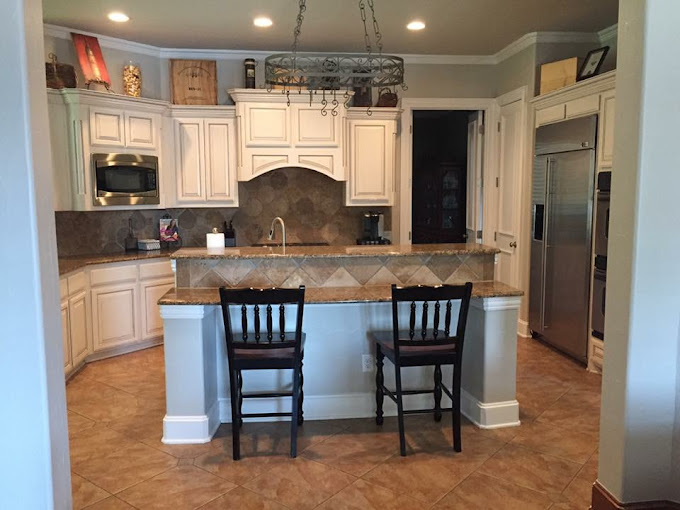
Kitchen remodeling has shifted from being purely about style to being a serious opportunity to reduce environmental impact, improve indoor air quality, and cut monthly utility bills. Homeowners in Plano, Texas are increasingly aware that every material choice, appliance upgrade, and design decision can either strain resources or support a more sustainable lifestyle. An eco-conscious kitchen remodel is no longer a niche trend; it is rapidly becoming the standard for homeowners who want a beautiful space that also respects the environment and their long-term budget.
What makes eco-friendly kitchen remodeling especially relevant now is the combination of rising energy costs, growing concerns about climate change, and the desire for healthier homes. Traditional remodels often rely on resource-intensive materials, wasteful construction practices, and poorly insulated designs that lock in inefficiencies for decades. By contrast, a green-focused remodel looks at the full life cycle of the kitchen: where materials come from, how long they last, how much energy they consume, and what happens when they are eventually replaced. With the help of experienced contractors like Nielsen’s Remodeling & Construction Co. in Plano, homeowners can make choices that align with both their design vision and their environmental values.
This guide walks through practical, realistic options for creating an eco-friendly kitchen without sacrificing comfort, function, or aesthetics. From cabinetry and countertops to lighting and layout, every section explores how to make smarter decisions that save water, reduce energy use, and minimize waste. Whether you are planning a complete gut renovation or a targeted update, understanding these options will help you turn your Plano kitchen into a space that works better for you and for the planet.
Planning A Green Remodel
Eco-friendly remodeling starts long before the first cabinet is removed. The planning phase is where many of the most impactful decisions are made, including how much of the existing kitchen can be reused, what the long-term goals are, and how to balance budget with sustainability. A thoughtful plan prevents costly changes mid-project and helps prioritize upgrades that deliver the greatest environmental and financial returns. For example, improving insulation and upgrading appliances may have a bigger long-term benefit than splurging on a trendy but resource-heavy finish.
One of the most sustainable decisions you can make is simply to keep what already works. Instead of tearing out every element, consider which components can be refinished, repainted, or repurposed. Solid wood cabinets, for instance, can often be updated with new doors, low-VOC paint, or hardware instead of being sent to the landfill. Nielsen’s Remodeling & Construction Co. frequently works with Plano homeowners to evaluate what can be salvaged, which not only reduces waste but can also free up budget for higher-impact green upgrades such as energy-efficient windows or better ventilation.
During planning, it is also important to think about how the kitchen will function over the next 10 to 20 years. A well-designed layout that supports good workflow, ample storage, and flexible use reduces the likelihood of another remodel in the near future. The most eco-friendly kitchen is one that you love enough to keep for a long time. Planning with durability and timeless design in mind, rather than chasing short-lived trends, is a key part of sustainable remodeling. In Plano’s warm climate, factoring in natural light, cross-breezes, and shading strategies during planning can also significantly reduce cooling loads over the life of the kitchen.
Eco-Friendly Materials And Finishes
The materials you choose for cabinets, countertops, floors, and finishes have a direct impact on indoor air quality, resource use, and overall durability. Many conventional products contain high levels of volatile organic compounds (VOCs), formaldehyde, and other chemicals that off-gas into your home for months or even years. Opting for low-VOC or no-VOC paints, adhesives, and sealants is an immediate way to make your remodeled kitchen healthier. This is especially important in a high-use space like the kitchen, where family members spend a significant amount of time cooking, eating, and gathering.
For cabinetry, sustainable options include FSC-certified wood, bamboo, or plywood with formaldehyde-free adhesives. Reclaimed wood can add character while avoiding the environmental impact of new lumber. In Plano, where temperature and humidity fluctuations can be an issue, it is also essential to choose materials that are dimensionally stable and properly sealed to prevent warping and damage. Nielsen’s Remodeling & Construction Co. can help homeowners compare different cabinet constructions and finishes to find the balance of sustainability, performance, and style that makes sense for their household.
Countertop materials offer a wide range of green choices as well. Recycled glass, composite surfaces made with recycled content, and responsibly sourced natural stone are all options. Some homeowners opt for concrete countertops that incorporate recycled aggregates or fly ash, reducing the use of virgin materials. Durable surfaces that resist staining and scratching will last longer, which is inherently more sustainable than surfaces that require frequent replacement. Additionally, choosing lighter colors for countertops and backsplashes can help reflect light and reduce the need for artificial lighting during the day.
Flooring is another area where eco-friendly choices can make a difference. Bamboo, cork, and sustainably harvested hardwood are popular green options, as are tile products made with recycled content. It is important to consider not only the material but also the manufacturing process and transportation distance. Locally available or regionally sourced products can have a lower carbon footprint than imported materials. When working with a Plano-based contractor like Nielsen’s Remodeling & Construction Co., you can often identify regional suppliers that align with your sustainability goals while still offering the look and durability you want.
Energy Efficiency And Appliances
Energy consumption is one of the biggest environmental impacts of any kitchen, and appliances are at the center of that equation. Upgrading to ENERGY STAR-rated refrigerators, dishwashers, and ovens can significantly cut electricity and water use over the life of the appliance. Modern high-efficiency dishwashers, for example, often use less water than washing by hand, especially when run with full loads. In Plano, where hot summers drive up utility bills, any reduction in energy demand provides ongoing savings and reduces strain on the power grid.
Beyond appliances, the way your kitchen is wired and lit plays a major role in energy efficiency. Switching to LED lighting is one of the simplest and most cost-effective green upgrades. LEDs use a fraction of the energy of incandescent or halogen bulbs and last dramatically longer, reducing both energy use and waste. Thoughtful lighting design that layers ambient, task, and accent lighting allows you to use the right amount of light where it is needed, rather than over-illuminating the entire space. Under-cabinet LED strips, for example, provide bright task lighting for counters without overheating the room.
Energy efficiency is not limited to electricity. Gas ranges and ovens produce heat and combustion byproducts that can affect indoor air quality, especially if ventilation is inadequate. Some homeowners are now choosing induction cooktops, which are more efficient than traditional electric or gas ranges and generate less ambient heat. This can be especially beneficial in a hot climate like Plano, where reducing heat gain in the kitchen can lower cooling costs. When gas appliances are used, pairing them with a properly sized, energy-efficient range hood that vents to the outside is critical for both air quality and comfort.
The building envelope around your kitchen also plays a major role in efficiency. Adding or upgrading insulation in exterior walls, sealing gaps around windows and doors, and installing energy-efficient windows can greatly reduce heat loss in winter and heat gain in summer. While these upgrades may not be as visible as new cabinets, they can have a substantial impact on comfort and utility bills. During a remodel, when walls are already open, it is often the best time to improve insulation and air sealing with guidance from an experienced local contractor.
Water Conservation And Plumbing Choices
Water is a precious resource, and kitchens are significant points of use in any home. Eco-friendly kitchen remodeling includes strategies to reduce water consumption without sacrificing performance. High-efficiency faucets with aerators can dramatically cut water flow while maintaining strong pressure, making everyday tasks like washing dishes or rinsing produce more sustainable. Many modern faucet designs include built-in flow restrictors that are barely noticeable in use but make a big difference in total water usage over time.
Dishwashers are another key factor in water conservation. ENERGY STAR-rated dishwashers are engineered to use significantly less water and energy per cycle compared to older models. Choosing a model with multiple wash settings, including eco or light-wash options, allows you to adjust water use based on load size and soil level. In a city like Plano, where population growth puts increasing demand on municipal water systems, these small daily efficiencies add up at the community level as well as on your utility bill.
Beyond fixtures and appliances, plumbing layout can influence both water and energy use. Placing the dishwasher and sink near the water heater, or considering a tankless water heater closer to the kitchen, can reduce the time it takes for hot water to reach the tap. This means less water wasted while waiting for it to warm up. During a remodel, Nielsen’s Remodeling & Construction Co. can evaluate the feasibility of rerouting plumbing or upgrading water heaters to support a more efficient and responsive system tailored to your kitchen’s layout.
Materials used in plumbing also have environmental implications. PEX piping, for example, is flexible and can reduce the number of fittings needed, which lowers the risk of leaks over time. Fewer leaks mean less water waste and potential damage. Choosing durable, high-quality fixtures and components may cost slightly more upfront but often pays off in longevity and reduced maintenance. An eco-friendly kitchen is not only about using less water today, but also about building a system that remains efficient and reliable for many years.
Indoor Air Quality And Healthy Living
While energy and water efficiency get a lot of attention, indoor air quality is just as critical in an eco-friendly kitchen. Many conventional building products release VOCs and other chemicals into the air, especially when new. Choosing low-VOC or zero-VOC paints, stains, adhesives, and sealants dramatically reduces this off-gassing and creates a healthier environment. This is particularly important for families with children, elderly members, or anyone with allergies or asthma living in the home.
Ventilation is another key element of a healthy kitchen. Cooking, especially on gas ranges, can release moisture, smoke, and combustion byproducts into the air. A properly sized, ducted range hood that vents to the exterior is one of the most important investments you can make for indoor air quality. Recirculating hoods may filter some grease and odors but do little to remove moisture and fine particulates. In Plano homes, where kitchens often open to living areas, good ventilation helps keep the entire main floor feeling fresh and comfortable.
Flooring and surfaces also influence air quality. Hard-surface flooring such as tile, sealed wood, or cork tends to trap less dust and allergens than wall-to-wall carpet and is easier to clean thoroughly. Choosing finishes that are resistant to mold and bacteria growth is especially important around sinks and dishwashers, where moisture is common. Nielsen’s Remodeling & Construction Co. can help select materials and finishes that balance style, durability, and health considerations, ensuring your eco-friendly kitchen is also a safer place to cook and gather.
Even seemingly small decisions, like the type of caulk around sinks and backsplashes or the cabinetry interiors, can contribute to a healthier kitchen. Formaldehyde-free cabinet boxes, non-toxic grouts, and natural or low-emission sealers all work together to minimize chemical exposure. Over time, these choices support better respiratory health, fewer odors, and a more pleasant daily experience in the heart of your Plano home.
Construction Practices And Waste Reduction
Eco-friendly remodeling is not just about what goes into your kitchen; it is also about what comes out during the construction process. Demolition and building waste can be substantial in any remodel, and sending everything straight to the landfill is both costly and environmentally damaging. A green-minded contractor will look for opportunities to deconstruct rather than simply demolish. This means carefully removing cabinets, fixtures, and materials that can be reused, donated, or recycled instead of smashing everything with a sledgehammer.
In Plano, organizations and salvage centers may accept gently used cabinets, appliances, and fixtures for resale or donation, extending the life of these items and reducing the demand for new products. Nielsen’s Remodeling & Construction Co. can coordinate with such outlets when possible, turning what might have been waste into a resource for someone else’s project. This approach not only reduces landfill burden but can also provide tax-deduction opportunities when materials are donated to qualifying organizations.
During construction, choosing suppliers that minimize packaging and using bulk orders when appropriate can significantly cut down on cardboard, plastic, and foam waste. Jobsite practices such as sorting debris into recyclable and non-recyclable piles, protecting existing surfaces to avoid unnecessary replacement, and planning material cuts carefully to minimize offcuts all contribute to a more sustainable project. These behind-the-scenes practices may not be visible in the finished kitchen, but they are a crucial part of truly eco-friendly remodeling.
Finally, clear communication between homeowner and contractor is essential. Discussing sustainability goals at the outset allows the remodeling team to propose specific strategies for waste reduction, recycling, and reuse. When eco-friendly goals are built into the contract and timeline, they are far more likely to be consistently implemented from the first day of demolition to the final walkthrough.
Frequently Asked Questions
Is an eco-friendly kitchen remodel more expensive than a traditional remodel? The upfront cost of some eco-friendly materials or high-efficiency appliances can be slightly higher, but many green choices pay for themselves over time through lower utility bills and longer lifespans. For example, ENERGY STAR appliances and LED lighting reduce monthly energy costs, while durable countertops and cabinets delay the need for future replacements. Working with a contractor like Nielsen’s Remodeling & Construction Co. in Plano allows you to prioritize upgrades that deliver the best combination of sustainability and return on investment for your budget.
Can I make my existing kitchen more eco-friendly without a full remodel? Yes, there are many smaller steps you can take without gutting your kitchen. Swapping in LED bulbs, installing low-flow faucet aerators, upgrading to a more efficient dishwasher, and repainting with low-VOC paints all provide immediate environmental and health benefits. You can also add smart power strips, improve weatherstripping around windows and doors, and replace only the most inefficient appliances. These targeted improvements can be done gradually and still move your Plano kitchen in a much greener direction.
How do I know which materials are truly sustainable? Look for third-party certifications and transparent labeling. For wood products, FSC certification indicates responsible forest management. Low-VOC or zero-VOC labels on paints, adhesives, and finishes are important for indoor air quality. Recycled content labels on countertops, tile, and flooring can signal reduced resource use. A knowledgeable local remodeler can help you interpret these labels and compare options. Asking suppliers and your contractor specific questions about sourcing, manufacturing, and durability is one of the best ways to cut through greenwashing.
Will an eco-friendly kitchen increase my home’s resale value in Plano? Many buyers today are actively looking for energy-efficient, healthy homes, and a well-executed eco-friendly kitchen can be a strong selling point. Lower expected utility costs, modern efficient appliances, and high-quality sustainable materials often make a home more attractive. While resale value depends on many factors, a thoughtfully designed green kitchen signals to buyers that the home has been updated with long-term performance in mind, which can set your property apart in the Plano market.
How do I get started with an eco-friendly kitchen remodel? Begin by defining your priorities: is your main goal to cut energy use, improve air quality, use non-toxic materials, or all of the above? Next, schedule a consultation with an experienced remodeler who understands green building practices. Discuss what can be reused, which systems need upgrading, and how to phase the work if necessary. A company experienced in Residential remodeling like Nielsen’s Remodeling & Construction Co. can help you develop a step-by-step plan, select appropriate materials and appliances, and manage the project so that your new kitchen reflects both your design vision and your commitment to sustainability.