
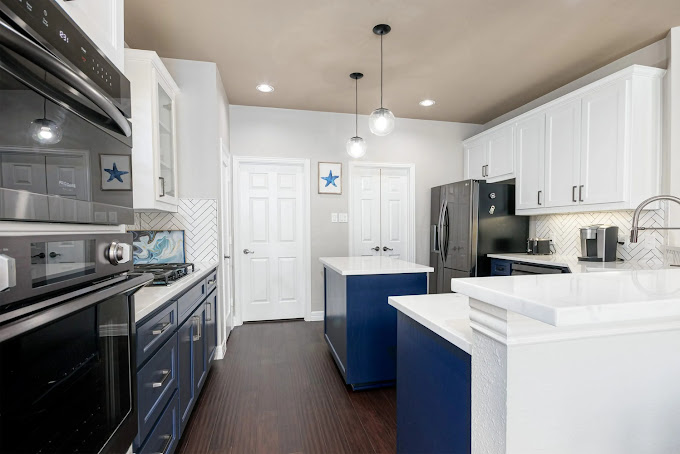
Halfway through their kitchen remodel, a Plano couple realized something was wrong. The layout looked awkward, the finishes didn’t match their style, and every decision felt like a compromise. The problem wasn’t their budget or their ideas; it was the designer they chose. They had hired the first person recommended by a friend without asking questions, checking past work, or confirming whether that designer truly understood how they lived in their home.
This kind of situation is more common than most homeowners think. A home remodel or new design is not just about picking pretty tile or paint colors; it is about translating your daily routines, your family’s habits, and your long-term plans into a functional and beautiful space. The right home designer becomes your guide through hundreds of decisions, from layout and materials to small details that affect how comfortable and practical your home will be. Choosing that designer carefully is one of the most important steps you will take in any remodeling project.
If you live in Plano, Texas or the surrounding area, you have access to many design and remodeling professionals, including full-service companies like Nielsen’s Remodeling & Construction Co. The challenge is not finding “a” designer; it is finding the right one for you. That means looking beyond glossy photos and catchy slogans and focusing on compatibility, process, communication, and proven results. Here is how to approach that decision with confidence.
Clarify Your Vision First
Before you start calling designers, spend time understanding what you actually want from your home. Many homeowners begin by collecting random inspiration photos, but a better first step is to think about how you use your space now and what frustrates you. Are you constantly bumping into someone in the kitchen? Do you lack storage for kids’ backpacks and sports gear? Is your primary bathroom beautiful but impractical for getting ready in the morning? List your pain points and your priorities in plain language before translating them into design ideas.
Once you understand your functional needs, you can layer in the aesthetic side. Look at photos of homes and identify patterns: Are you drawn to clean, modern lines or more traditional details? Do you prefer light, airy spaces or richer, cozier tones? Instead of just saying “I like this kitchen,” note what you like: the island size, the cabinet color, the open shelves, or the natural light. This will help any designer quickly grasp your style profile and propose solutions that feel tailored, not generic.
In Plano, homes range from older properties needing structural updates to newer builds that need more personality or better use of space. Knowing whether your project is primarily cosmetic (finishes, fixtures, colors) or structural (walls moving, plumbing relocated) will influence the type of designer you need. Companies like Nielsen’s Remodeling & Construction Co. can handle both design and construction, which can be especially helpful if your vision includes layout changes or additions.
Finally, set some initial boundaries: a realistic budget range, an ideal timeframe, and any non-negotiables. You do not need exact numbers yet, but a ballpark helps designers tell you whether your goals align with what is financially and logistically possible. This clarity on your side makes it much easier to evaluate whether a designer truly understands your priorities.
Understand Different Types Of Designers
Many homeowners use the term “designer” for anyone who helps with a remodel, but there are important distinctions. An interior designer may focus on finishes, furnishings, and overall aesthetics. A home or residential designer may concentrate on floor plans, layout, and spatial flow. Some professionals, like design-build firms, combine design and construction under one roof, offering a more integrated process. Knowing these differences will help you choose the right fit for your project’s scope.
If your primary goal is to reconfigure spaces, remove walls, or design an addition, you will want someone with strong technical knowledge of structure, building codes, and how spaces function in real life. In Plano, where many homes were built with specific layouts in mind, changing those layouts safely and effectively demands experience. A company like Nielsen’s Remodeling & Construction Co., which pairs design with construction expertise, can streamline this type of work because the design is developed with buildability and local code requirements in mind.
On the other hand, if your layout works but your home feels outdated or mismatched with your taste, you might focus on designers whose portfolios show strong style consistency, finish selection, and space planning within existing footprints. These professionals excel at choosing materials, lighting, cabinetry details, and color schemes that align with your preferences while staying practical for day-to-day life.
There is also the question of how involved you want to be. Some designers offer full-service support, managing selections, ordering, and coordination. Others provide concepts and drawings but leave purchasing and detailed coordination to you or your contractor. Think honestly about how much time and decision-making energy you can devote to the project. The “right” home designer is not just skilled; they offer a level of service that matches your expectations and bandwidth.
Evaluate Portfolios With A Critical Eye
Once you have a shortlist of designers or firms in Plano, start with their portfolios—but look deeper than surface-level style. Yes, you should feel drawn to the overall look of their work, but you also want to evaluate how they handle space, function, and variety. Do their kitchens show thoughtful storage solutions, good lighting, and comfortable circulation? Do their bathrooms appear practical to use, not just pretty to photograph?
Pay attention to whether their projects all look the same or if they adapt to each client’s preferences. A designer with a strong personal style is not necessarily a bad thing, but if every home looks identical, you may end up with a space that feels more like theirs than yours. Ideally, you will see a common thread of quality and coherence, while the details shift based on the client and the home. Many of Nielsen’s Remodeling & Construction Co.’s clients, for example, appreciate that projects in Plano neighborhoods feel personalized while still maintaining a polished, consistent level of craftsmanship.
Look for projects similar to yours in scale and complexity. A designer who mainly decorates condos may not be the best choice for a full-gut suburban home remodel involving structural work. Conversely, a firm that specializes in large, luxury estates might not be the right match if your project is focused and budget-conscious. When possible, focus on portfolio examples that clearly reflect the kind of rooms you want to transform—kitchens, bathrooms, open-concept living spaces, or whole-home updates.
Finally, examine the “small” details in portfolio photos: transitions between materials, alignment of tile, placement of lighting, and how cabinetry meets walls and ceilings. These details often indicate whether the designer collaborates effectively with contractors and understands how drawings translate to real-world construction. In a design-build environment like Nielsen’s, those details are integrated into the process from the start, reducing surprises later.
Ask The Right Questions In Consultations
After narrowing down your options, schedule consultations. Treat these meetings as two-way interviews: you are evaluating the designer as much as they are evaluating your project. Come prepared with your notes, inspiration images, and questions that go beyond price. You want to understand how they think, communicate, and solve problems—not just what they charge.
Start by asking about their process from initial concept to final completion. How do they gather information about your lifestyle? What tools do they use—hand sketches, 3D renderings, mood boards, or detailed drawings? How many design revisions are typically included? In Plano, where many homes share similar floor plans, it is helpful to know whether the designer has experience improving layouts like yours and how they approach common challenges, such as integrating open-concept living into older homes.
Next, discuss communication. Who will be your main point of contact? How often will you receive updates? Are they comfortable communicating via email, text, phone, or project management software? Clear communication is especially critical during construction, when schedules, deliveries, and unexpected issues arise. One advantage of working with a full-service company like Nielsen’s Remodeling & Construction Co. is that design and construction teams are under one umbrella, which can create smoother coordination and fewer gaps in communication.
Also ask about budget alignment and cost transparency. A good home designer will not simply say “we can make it work” without context; they will talk frankly about trade-offs, priorities, and realistic expectations. Ask how they help clients stay within budget and how they handle changes once the project is underway. Their answers will reveal whether they see themselves as your partner in decision-making or just a source of ideas.
Check References, Reviews, And Fit
Online reviews and testimonials can be helpful, but they rarely tell the whole story. When you are close to choosing a home designer, ask for references from recent clients—ideally those with projects similar to yours. When you speak with those clients, go beyond “Were you happy?” and ask more targeted questions: Did the designer listen? Were there any misunderstandings, and how were they handled? Did the final result match the initial vision and budget?
If possible, ask to see a completed project in person or at least more extensive photos than what is on a website. Seeing how a space looks in everyday use can reveal how well the design holds up over time. In Plano, where many families have active lifestyles, you will want to know whether finishes are durable, layouts accommodate real-life traffic, and storage solutions actually work day-to-day.
Do not overlook personality fit. You will be working closely with your home designer for months, sometimes longer. You need someone you feel comfortable being honest with—about your budget, your dislikes, and your habits. During early conversations with firms like Nielsen’s Remodeling & Construction Co., pay attention to whether you feel heard or rushed, whether they ask thoughtful questions, and how they respond to your ideas. The best designer for you will respect your taste while gently guiding you away from choices that might not serve you well.
Finally, check practical credentials: licenses, insurance, affiliations, and, if relevant, experience with Plano-specific permitting and building requirements. A designer who understands local regulations and works regularly with area inspectors and suppliers can help keep your project moving smoothly and avoid costly delays or rework.
Consider The Advantages Of Design-Build
One decision many homeowners do not realize they are making is whether to hire separate designers and contractors or to work with a design-build company that handles both. In a traditional model, you hire a designer for plans and selections, then bring those plans to a contractor to bid and build. In a design-build model, like the approach used by Nielsen’s Remodeling & Construction Co. in Plano, design and construction are integrated from the start.
Design-build can offer significant advantages in coordination and accountability. Because the same team is responsible for both designing and building your project, there is less chance of miscommunication between what is drawn and what is feasible. Construction input is incorporated early, which can prevent designs that look beautiful on paper but are difficult or expensive to build. This often leads to more accurate budgeting and fewer surprises once demolition begins.
Another benefit is streamlined communication. Instead of acting as a go-between for separate designer and contractor teams, you have a single source of truth. When changes or issues arise—as they almost always do in remodeling—the design-build team can quickly evaluate options and present you with coordinated solutions. For busy Plano homeowners, this can reduce stress and keep projects on a more predictable timeline.
Design-build is not the only successful path, but if you value a cohesive, guided experience with one team overseeing your project from concept to completion, it is worth considering. When evaluating a design-build firm, ask all the same questions you would ask a standalone designer, plus additional questions about construction quality, warranties, and how they manage trades and scheduling.
Frequently Asked Questions
How early should I involve a home designer in my project? Ideally, you should involve a home designer as soon as you start seriously considering a remodel or major update. Early involvement allows the designer to help you refine your vision, set a realistic budget, and avoid decisions that might need to be undone later. In Plano, where many homes have similar builder layouts, bringing in a firm like Nielsen’s Remodeling & Construction Co. early can reveal layout options or structural considerations you may not have realized were possible.
What is a realistic budget for hiring a home designer? Design fees vary widely depending on the scope of your project, the level of service, and whether you are working with a standalone designer or a design-build company. Some charge flat fees, others bill hourly, and design-build firms may roll design costs into the overall project price. A good starting point is to think of design as an investment that can prevent costly mistakes, improve function, and add long-term value. During consultations, ask for clear explanations of how fees are structured and what is included so you can make apples-to-apples comparisons.
How do I know if a designer’s style matches mine? Look through their portfolio and save images that resonate with you. Then, during your meeting, show your inspiration photos and ask how they would interpret that look in your specific home. Pay attention to whether they try to push you toward their signature style or whether they adapt to your preferences. The right home designer in Plano will be able to honor your taste while still offering professional guidance on what will work best in your space and climate.
Can one designer handle my kitchen, bathroom, and other spaces? Many residential designers and design-build firms are fully capable of handling multiple spaces in the same home, and it often makes sense to do so. Designing your kitchen, bathrooms, and living areas together helps create a cohesive look and ensures that changes in one area do not conflict with another. For example, coordinating a kitchen remodel with a nearby living room update can improve traffic flow and visual continuity. Companies like Nielsen’s Remodeling & Construction Co. routinely manage multi-room projects in Plano homes for this reason.
What should I look for in a kitchen-focused designer? Kitchens are among the most complex rooms in any home, involving plumbing, electrical, ventilation, storage, and heavy daily use. When evaluating a kitchen designer or Kitchen remodeling contractors, look for evidence of thoughtful layouts, efficient work triangles, ample storage, durable materials, and good lighting. Ask how they approach appliance placement, countertop space, and traffic patterns, especially if your kitchen is part of an open-concept plan. A strong kitchen designer will balance aesthetics with heavy-duty functionality so your space looks great and works beautifully for years.